I moved into my first studio apartment with one room, one window, and every piece of furniture I owned piled in the middle of the floor. I had no idea where to even start.
If you’re standing in a studio right now feeling the same way, take a breath. This is exactly how I figured out how to style a studio apartment, one small zone at a time, without spending a fortune or losing my security deposit.
Why a Studio Feels So Overwhelming at First
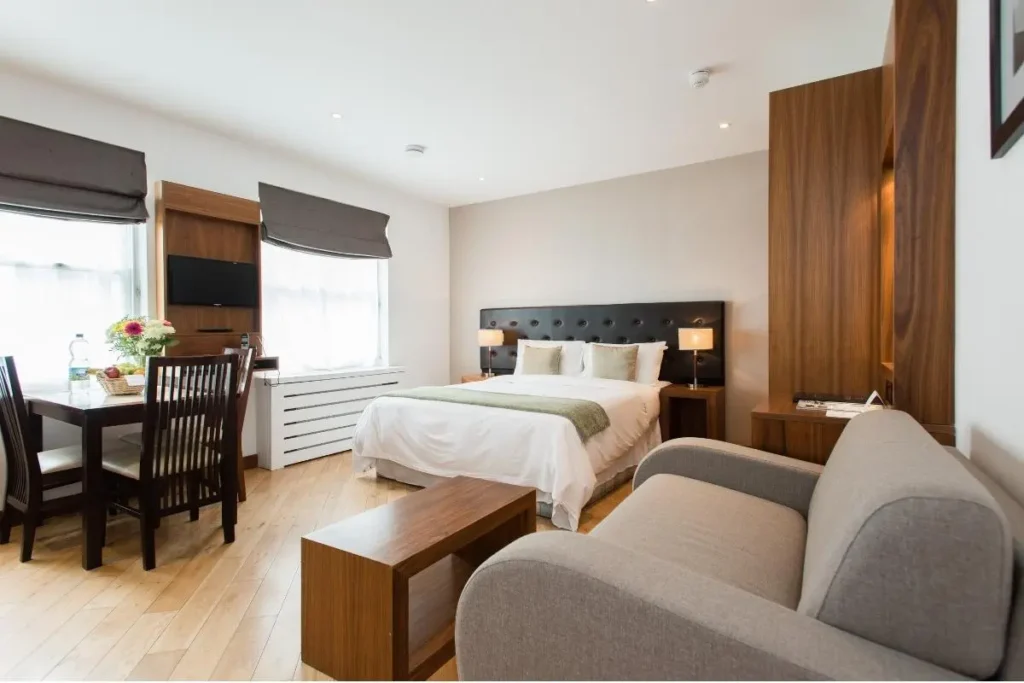
A studio apartment in the US averages around 440 to 460 square feet, based on recent rental market data. That’s your bedroom, living room, kitchen, and office, all in one open box.
I remember standing in the middle of mine, thinking, Where does the bed even go? Everything felt like it was competing for the same three feet of floor.
Here’s what changed things for me. I stopped treating it like one room. I started treating it like four small rooms that just happen to share the same walls.
The First Thing I Did (Before I Bought Anything)
I sat down and made a simple list. What do I actually need to do in this space every day?
- Sleep
- Cook
- Work
- Relax
That’s it. Once I had that list, I looked at my studio’s shape and picked a corner for each activity. This is really the heart of any good studio apartment layout ideas for renters, and it costs nothing to do.
How I Split One Room Into Four Zones
I didn’t build any walls. I couldn’t, since I’m renting. Instead, I used furniture and rugs to draw invisible lines.
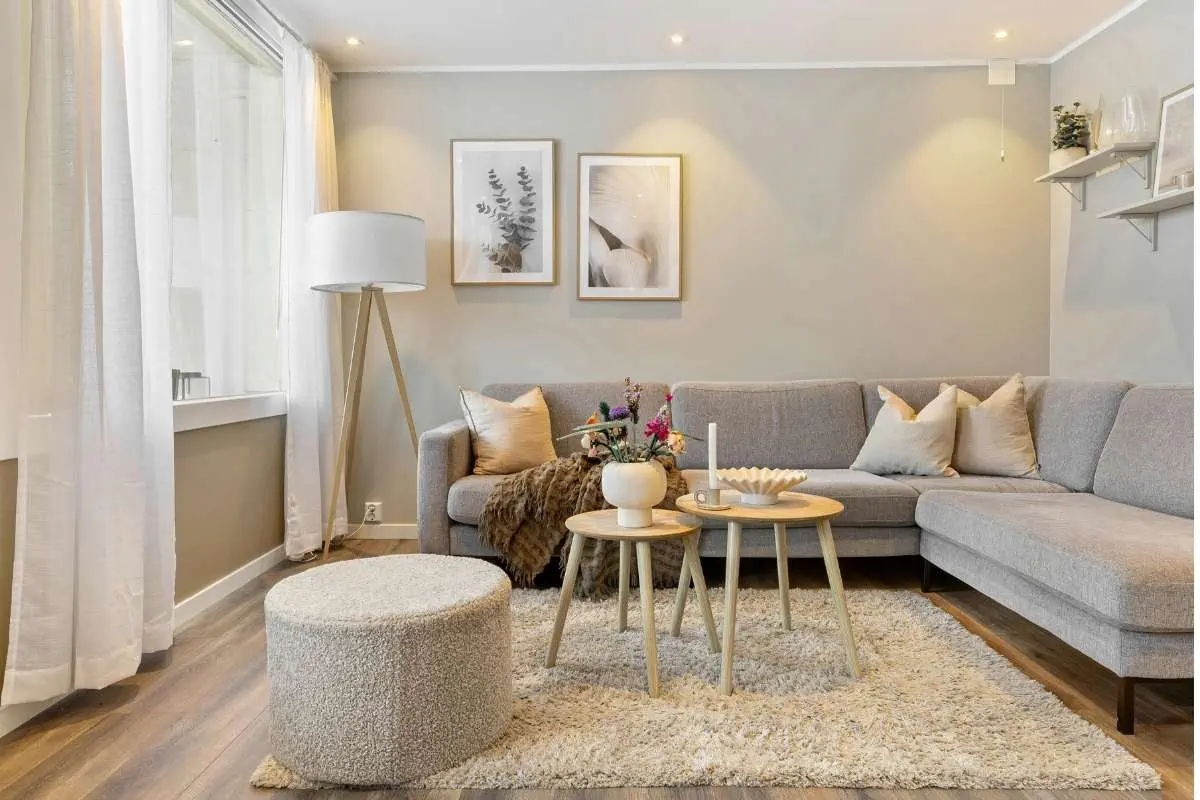
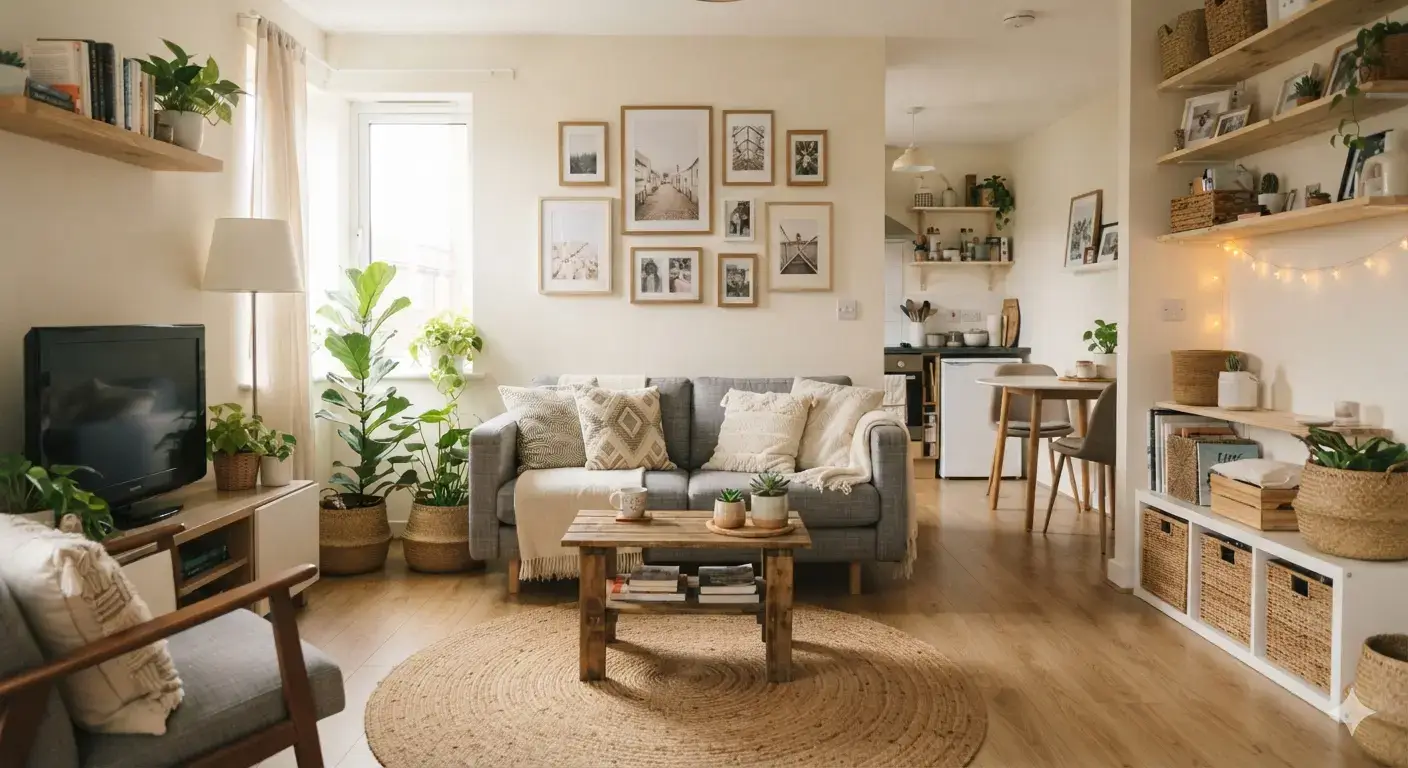
My bed went against the wall farthest from the door, since that felt the most private. My small desk sits near the window, where the light is best for working. My sofa floats a few inches off the wall, and a rug underneath it marks off my living area without me touching a single nail.
A few tricks that helped me the most:
- A rug under the sofa signals “this is the living room” even with no walls
- Floating the sofa instead of pushing it flush creates a natural walkway
- Keeping my bed against the farthest wall gave me the most privacy possible
The Furniture Move That Changed Everything
I used to think furniture just needed to look nice. Now I only buy pieces that do two jobs at once.
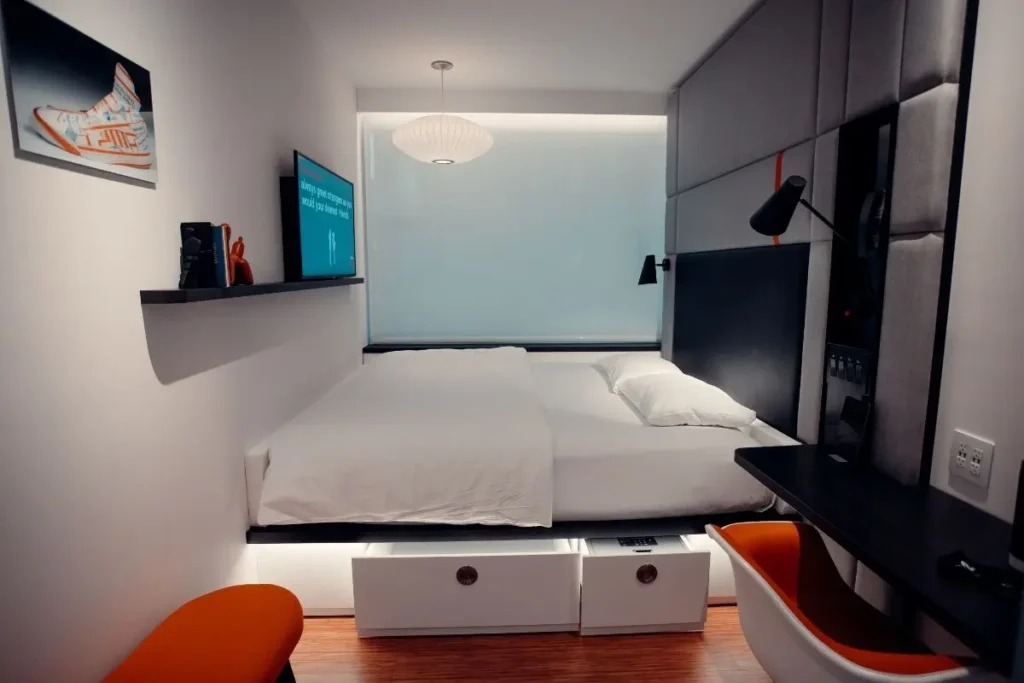
My coffee table has a lift top, so it becomes a desk when I need one. My ottoman opens up and holds my extra blankets. My bed frame has drawers built into the base, which replaced a dresser I didn’t have room for anyway.
This is the whole idea behind multifunctional furniture for small spaces. You’re not decorating a studio like a normal apartment. You’re making every single piece earn its spot.
Where My Storage Actually Went
I don’t have a closet big enough for my clothes, let alone anything else. So I stopped looking for one big storage spot and started using small ones everywhere.
- An over-the-door organizer holds shoes on the back of my closet door
- A tension rod above my window doubles as a spot for scarves
- Under-bed bins hold off-season clothes I’m not wearing right now
- A tall, narrow bookshelf uses height instead of floor space
None of this needed drilling. Everything either hangs by tension, sits on the floor, or hooks over something that was already there.
How I Divided the Space Without Walls
This part took me the longest to figure out. I wanted my bed to feel separate from my living room, but I couldn’t build anything permanent.
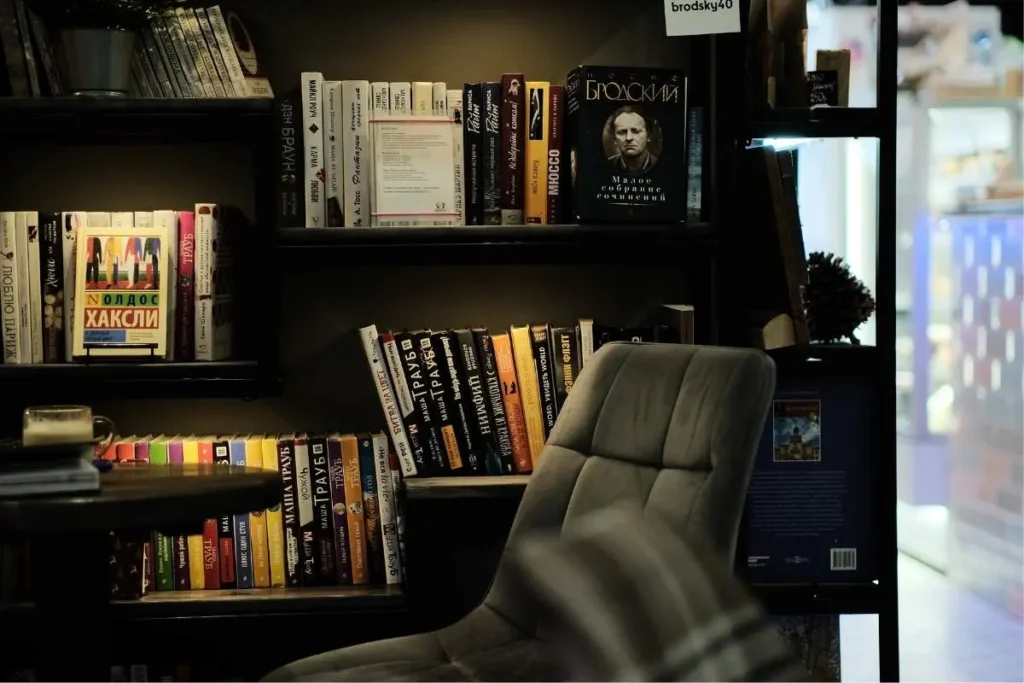
A tall, open-back bookshelf ended up being my answer. I placed it behind my bed, facing the living area, and styled the open side with books and a small plant. Now it works as a room divider and a shelf at the same time.
Other options I considered before landing on the bookshelf:
- A folding screen, which packs away completely if I ever want the open layout back
- Ceiling-mounted curtains, using a tension rod so nothing touches the actual ceiling
- A tall plant, which is the softest way to suggest a boundary without blocking light
Making It Feel Bigger Than It Is
Once my zones were set, I noticed the whole studio still felt a little tight. Two small changes fixed that.
I hung one big mirror across from my window instead of a few small ones. It reflects the light into the room and genuinely makes the space feel twice as open. I also swapped my patterned curtains for plain, light ones, since busy patterns were making the walls feel closer than they are.
Light, reflective colors on the walls helped too. I didn’t repaint, since I’m renting, but I did trade dark bedding and dark throw pillows for lighter ones, and that alone changed how the room felt.
If you are renting and want to make your small studio apartment into a bigger one, then read Small bedroom looks bigger.
What I Wish I Knew Before I Started
I bought a huge sectional sofa in my first month here. It barely fit through the door, and once it was in, it swallowed half my living zone.
If I could go back, I’d measure every doorway and every zone before buying anything large. I’d also skip anything with a deep, boxy shape. Furniture with slim legs and a lighter frame makes a small studio feel far less crowded than solid, heavy pieces do, even at the same size.
What It Actually Cost Me
I didn’t do this all at once, and I didn’t spend a fortune either.
| What I Bought | What I Paid |
|---|---|
| Lift-top coffee table | $95 |
| Storage ottoman | $48 |
| Tall open-back bookshelf | $110 |
| Tension curtain rods (2) | $24 |
| Over-the-door organizer | $22 |
| Large mirror | $55 |
| Total | $354 |
I spread these purchases across about two months, buying one piece whenever the budget allowed. That made the whole project feel manageable instead of overwhelming.
A Note About Renting
Everything I did here stays completely reversible, and that mattered to me. Guidance on move-out charges from RentSpree notes that small nail holes usually count as normal wear and tear, but larger holes from mounted shelves or brackets can get billed back to you as damage.
Every zone divider, every piece of storage, and every furniture placement in my studio can come down or move with me. Nothing here needed permission from my landlord.
What to Do Next
Pick one zone from your studio and start there this week. Don’t try to fix the whole room at once, since that’s how most studio apartment projects stall out halfway through.
If storage is your biggest headache, start with the over-the-door organizer and under-bed bins. If your space feels chaotic and undefined, start with a rug and one piece of multifunctional furniture. Small wins add up fast in a studio, more than they would in a bigger apartment. The best small apartment storage ideas will actually solve your main problem in renting.
If you’re also short on closet space specifically, I walked through my full system in small closet organization ideas for renters, and it uses this same zone-by-zone thinking.
Frequently Asked Questions
How do I style a studio apartment on a budget?
Focus on furniture that does two jobs, like a storage ottoman or a lift-top coffee table, and use rugs and lighting to create separate zones instead of buying room dividers.
How do I divide a studio apartment without building walls?
A tall open-back bookshelf, a folding screen, or ceiling-mounted curtains on a tension rod all create a visual divide without any permanent construction.
What furniture works best in a small studio apartment?
Pieces with slim legs and built-in storage, like a bed frame with drawers or an ottoman that opens up, since they add function without adding visual bulk.
Can I make a studio apartment look bigger without renovating?
Yes. A large mirror placed across from a window, light-colored bedding, and plain curtains all help a small studio feel more open without any construction.
Will dividing my studio apartment affect my security deposit?
Not if you stick to freestanding furniture, tension rods, and adhesive hooks. According to move-out guidance from RentSpree, it’s usually larger drilled holes, not small ones, that get billed as damage.

Ayesha Khan is a home stylist and interior layout strategist and the founder of Webpluse. She specializes in transforming compact residential spaces through practical apartment decorating ideas, high-density storage solutions, and budget-friendly home improvement strategies—all tested in her own rental apartments. Her guides help a global audience across the United States, France, and Germany furnish and style small spaces without overspending.