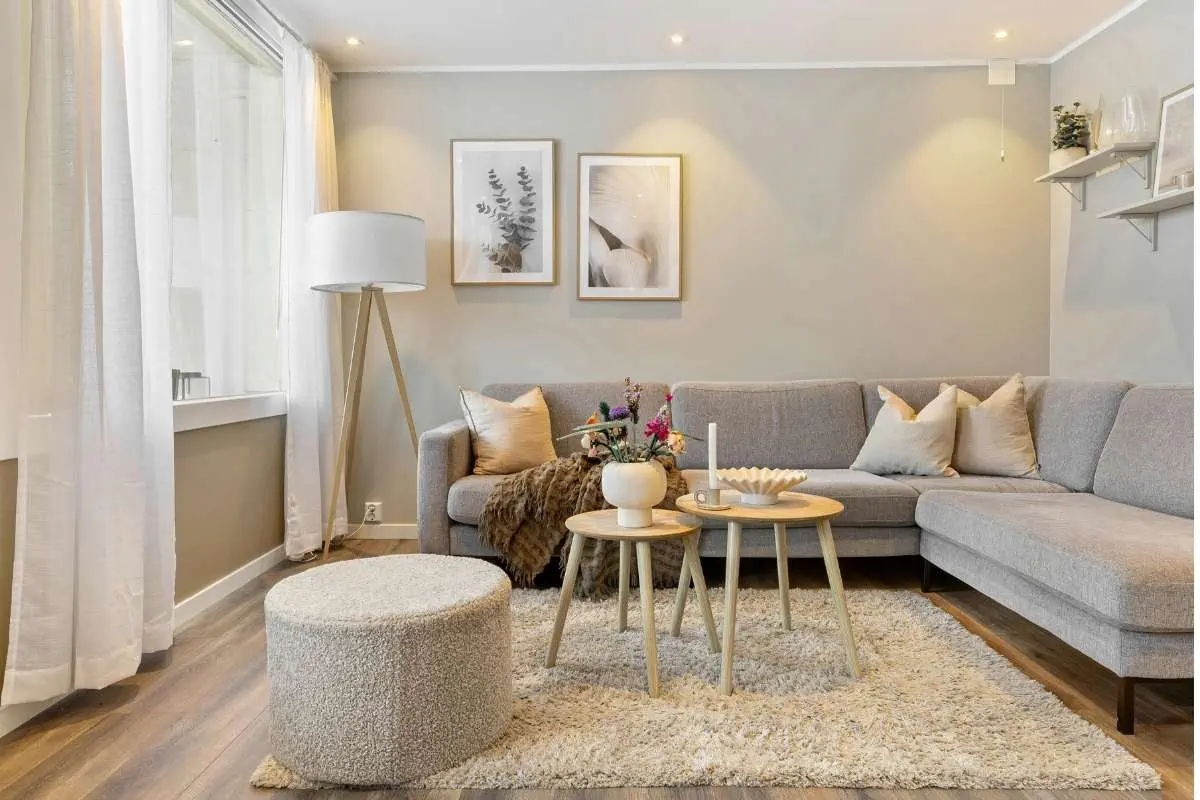
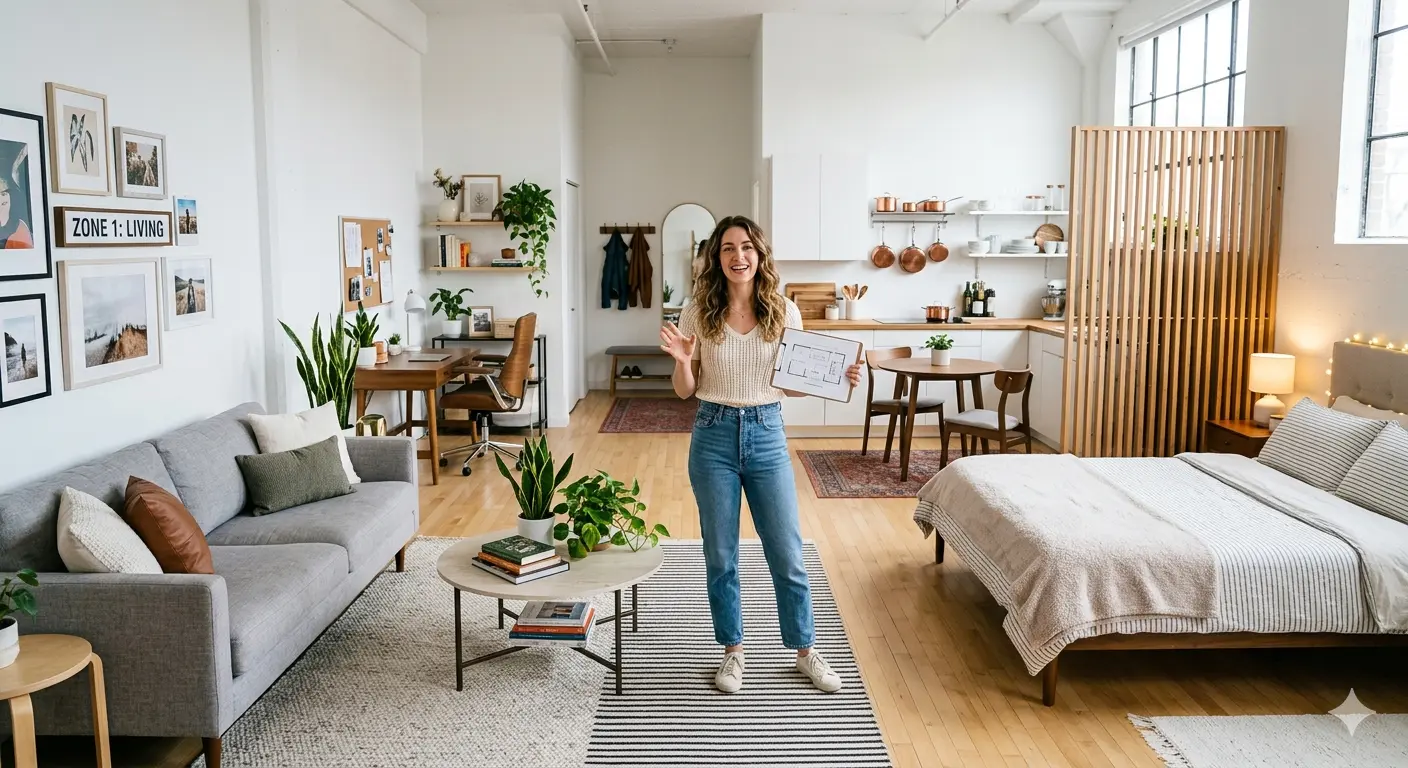
Small apartment decorating ideas on a budget depend on high-impact, low-cost upgrades that maximize visual space. Using removable peel-and-stick wallpaper, multi-functional furniture, strategic mirror placement, and layered lighting instantly transforms compact interiors without overspending or risking lease deposits.
Budget-Friendly Decorating Strategies for Small Apartments
To decorate a small apartment on a budget effectively without overspending or losing your security deposit, focus on high-impact, drill-free strategies:
- Apply a 40/35/25 Budget Distribution: Allocate 40% of your budget to basics (for carpets and lighting), 35% to refreshing current furniture (for paint and hardware changes), and 25% to styling details.
- Follow the Principle of a 3-Color Palette: Connect the budget decoration and keep it cohesive across your apartment by maintaining one dominant tone, one secondary shade, and one accent color.
- Layer Warm Lighting: Convert cold overhead bulbs to warm-white options (2700K) and add plug-in floor lamps or string lights to generate depth and eliminate flat shadows.
- Choose Furniture with Visible Legs: Choose sofas, beds, and tables with exposed legs instead of solid bases to allow light to flow underneath and open up floor sightlines.
- Maximize Vertical Wall Space: Use tall, narrow freestanding shelves, over-the-door organizers, and peel-and-stick wallpaper to add style and storage without taking up floor space.
- Use the Principle of 3-5-7 Styling: Arrange decor items, books, and plants in odd-numbered groupings (3, 5, or 7) to create visually charming focal points.
- Position Mirrors Opposite Natural Light: Tilt or place a large floor mirror directly across from a primary window to reflect natural light and double the perceived size of the room.
Table of Contents
The Budget-Split Rule (Nobody Else Talks About This):
Split the total decorating budget into three chunks instead of spending randomly as things catch the eye:
- 40% on comfort basics: lighting, textiles, a rug. The stuff felt every day.
- 35% on furniture refresh: paint, hardware swaps, thrifted pieces, not new furniture, just better versions of what is already there.
- 25% on finishing touches: wall decor, plants, small styling details.
This split prevents overspending on decor before the basics, like lighting, are even fixed. In most apartments, the basic things of comfort fix the feeling of incompleteness over decoration.
Room Budget Breakdown:
Decorate one room at a time rather than one room, and give each room its own money budget on the basis of how much time it spent there. Here is a real example of how this distribution might look:
| Room | Sample Spend | Where It Went |
|---|---|---|
| Living Room | $186 | Rug, lighting, gallery wall |
| Bedroom | $98 | Textiles, one accent wall |
| Kitchen/Dining | $62 | Open shelf styling, small plant |
| Bathroom | $58 | Storage, one small mirror |
| Total | $404 |
The exact split will vary depending on which room gets used the most. A living room that doubles as a workspace usually deserves the biggest chunk of the budget.
Walls and Color (Tips 1–6):
- Pick one accent wall, not four: Peel-and-stick wallpaper on a single wall costs around $30–$40 and does more visual work than repainting an entire room.
- Go lighter than the instinct suggests: Light, reflective wall colors bounce more available light around a room, which matters most in a small apartment with limited windows.
- Use removable wall decals for patterns: A small cluster of decals adds pattern without the cost of framed art and comes off clean when it is time to move.
- Hang art at eye level, not ceiling level: Low-hung art reads as more put-together than art hung too high, which is one of the most common small-apartment styling mistakes.
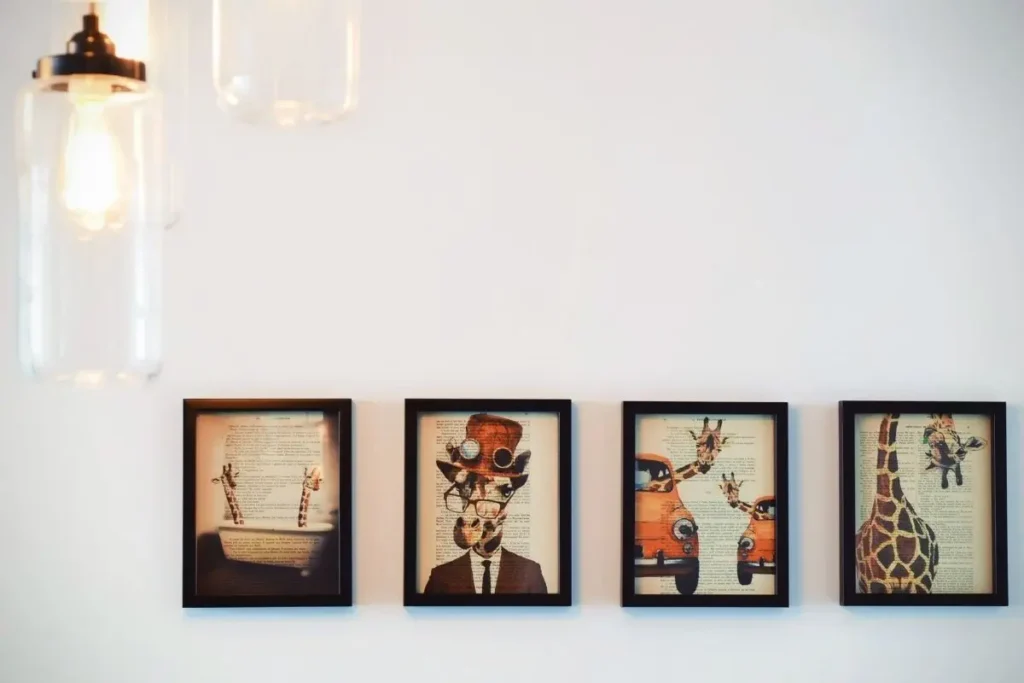
- Try a gallery wall with mismatched frames: Frames that already exist around the apartment work fine together. A matching frame set is not required and can add an unnecessary $40+ to the cost.
- Avoid one giant piece of art on a tight budget: A cluster of smaller, cheaper pieces almost always costs less than one large statement piece and covers more wall space.
Lighting (Tips 7–11):
- Swap harsh overhead bulbs for warm ones: A $20–$25 pack of warm-white bulbs changes the mood of an entire apartment in the evening.
- Add a plug-in floor lamp in a dark corner: No wiring or electrician needed. A $40–$50 lamp lights up a corner that would otherwise collect clutter.
- Layer at least two light sources per room: One overhead light creates flat shadows. Adding a lamp alongside it softens the whole space.
- Use string lights for ambient glow: A small run of warm string lights along one shelf adds coziness for very little cost.
- Skip the ceiling fixture upgrade: Unless a lease specifically allows it, changing a hardwired fixture is not worth the risk. A lamp does the same job for less.
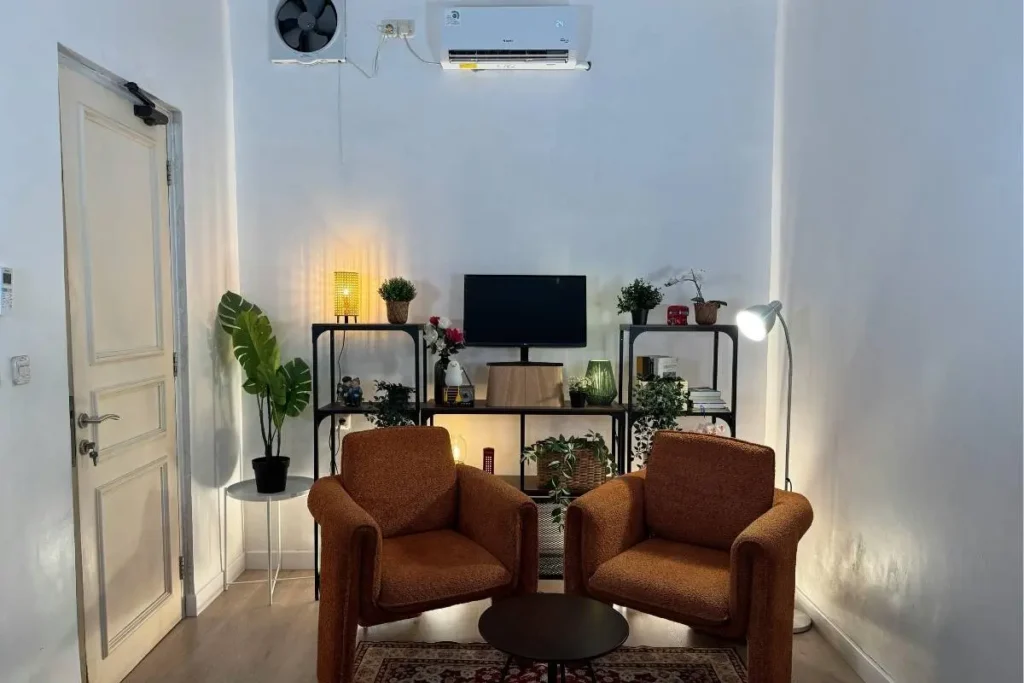
The same layered lighting trick makes a foyer feel warmer too, especially one with no natural light at all.
Furniture Tricks (Tips 12–17):
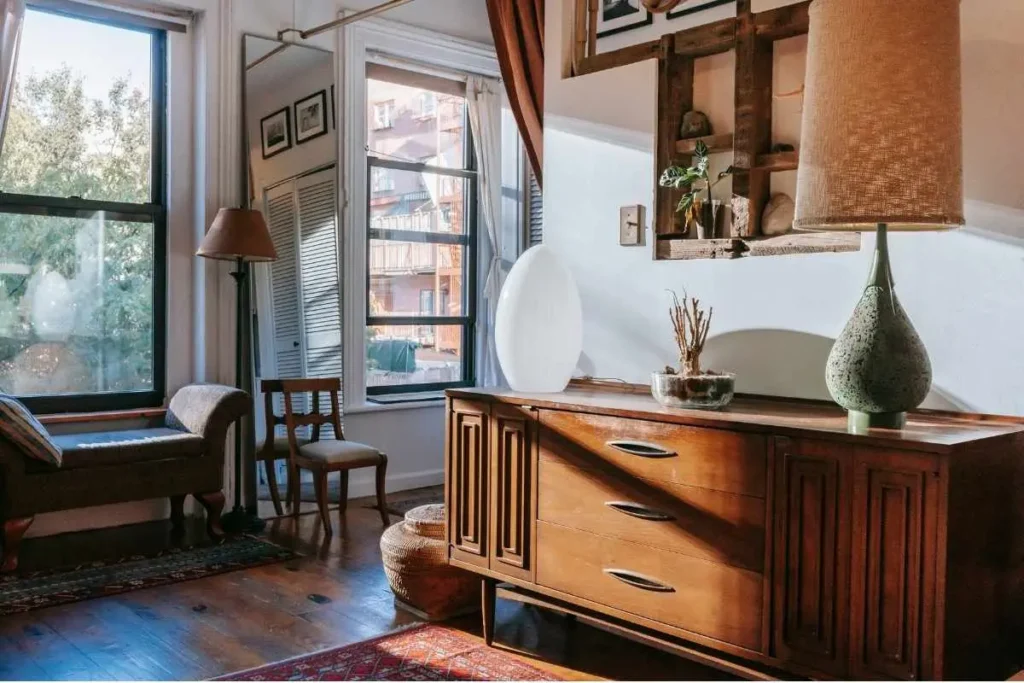
- Refresh instead of replace: New drawer pulls and a can of paint can update an old dresser for under $35 total, far less than buying new furniture.
- Choose furniture with visible legs: Pieces with visible legs look lighter and take up less visual space than furniture that sits flush on the floor.
- Go multifunctional wherever possible: A lift-top coffee table that doubles as a desk, or an ottoman that opens for blanket storage, does two jobs for one purchase.
- Thrift with a tape measure in hand: Measuring before shopping prevents the most common wasted purchase in this category: furniture that looks fine online but does not fit the space.
- Skip matching furniture sets: A matching set often reads as staged rather than lived-in. Mismatched pieces tied together by one color feel more put-together in a small space.
- Float furniture off the walls when possible: Pulling a sofa a few inches from the wall, with a rug underneath, makes a room feel more like a living space and less like storage.
Storage That Doubles as Decor (Tips 18–22):
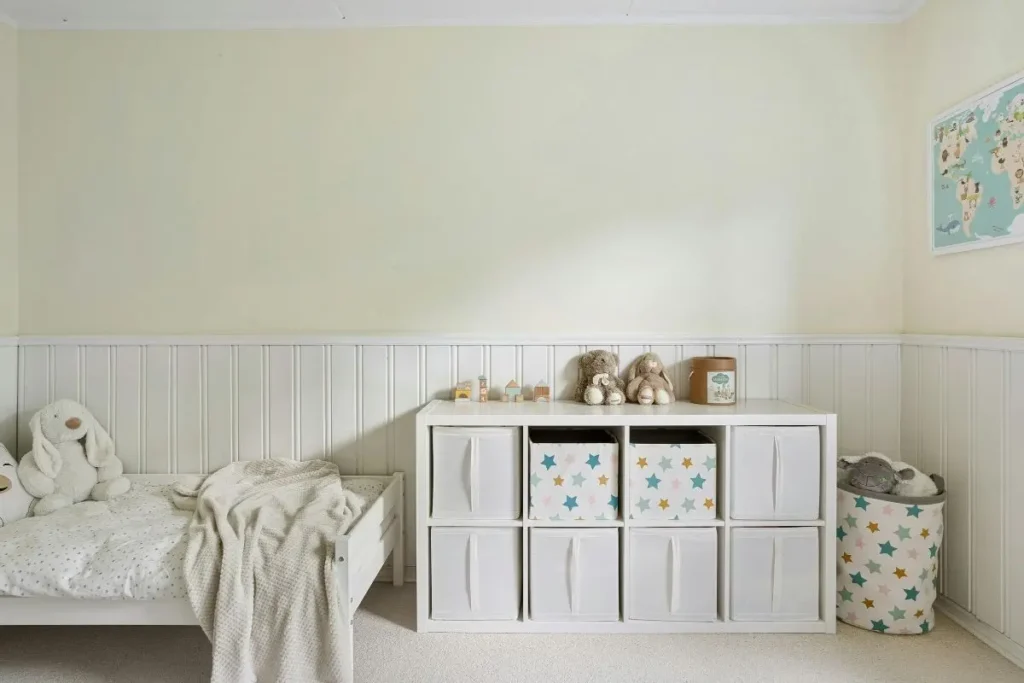
- Use baskets instead of bins where visible: Woven baskets read as decor. Plastic bins read as clutter, even when holding the same items.
- Go vertical with shelving: A tall, narrow bookshelf uses height instead of floor space, which matters more in a small apartment than almost any other single change.
- Add an over-the-door organizer: This uses space on the back of a closet door that would otherwise sit empty, with zero drilling required.
- Use under-bed storage for off-season items: This frees up shelf and closet space without adding any new furniture to the room.
- Style open shelves like a display, not just storage: A few books, a small plant, and one decorative object per shelf read as styled. A shelf packed edge-to-edge reads as cluttered.
Textiles and Layering (Tips 23–27):
- Add a carpet, even in a small space: The range of $50–$60 grows a carpet adds warmth, often transforms the room more than any other item contained in this list.
- Change the pillow cover instead of buying new pillows: Reuse current pillow inserts and buy only a new cover; get the same visual refresh for a cost of $ 20–$ 25.
- Layer textures, not just color: A woven throw, a smooth duvet, and a textured carpet make a single fabric feel like more than many items in the same fabric together.
- A simple curtain panel on the stress rod softens the window and increases the room height, without any hardware required.
- Place the color palette on three main tones: Repeating a small set of colors throughout the whole room looks better than introducing a wide range of different colors.
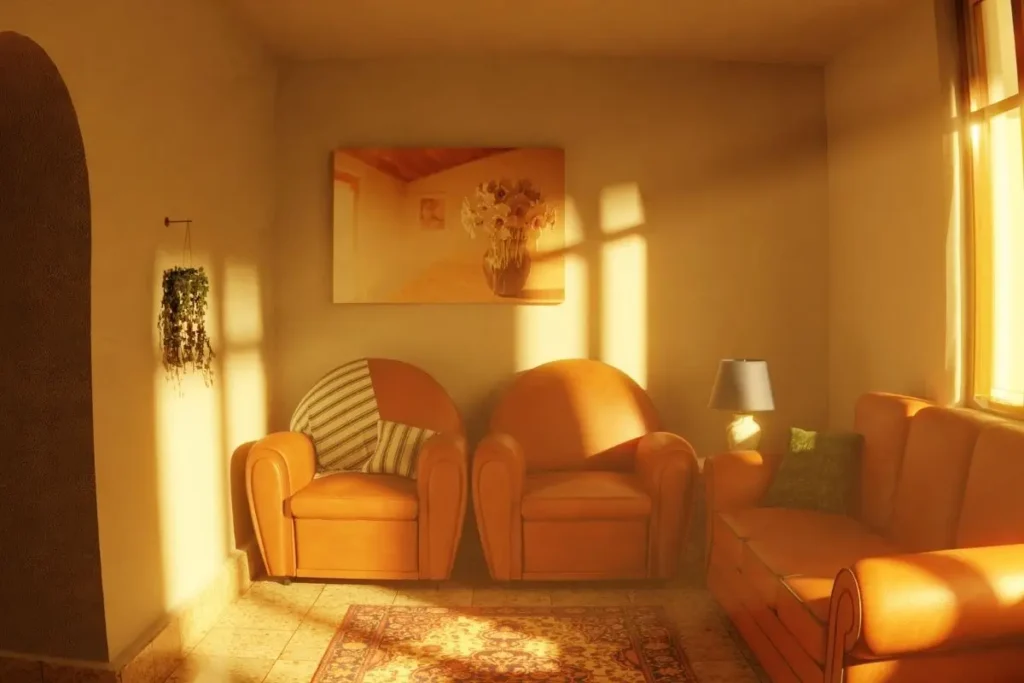
Styling Tricks That Cost Nothing (Tips 28–32):
- Use the 3-5-7 rule for grouping decor: Grouping objects in odd numbers, three, five, or seven, looks more visually interesting than grouping them in even pairs, at zero extra cost.
- Add one large mirror across from the best window: This is one of the cheapest tricks that reliably works. A mirror reflects light and makes a room read as noticeably bigger.
- Declutter surfaces before decorating them: A cluttered surface looks messy no matter how nice the individual items are. Clearing it down to two or three pieces first makes any styling more effective.
- Repeat one material or color across the room: Using the same wood tone or color across a few key pieces, like a shelf, table, and frames, ties a room together without any added spending.
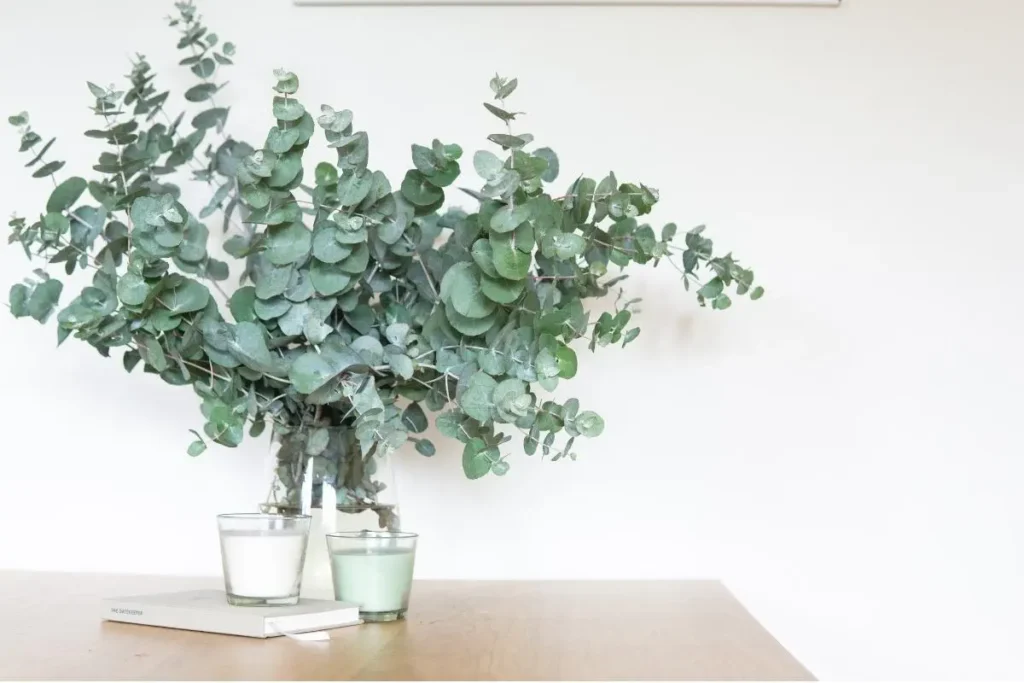
- Add one live plant, even without a green thumb: A single low-light plant, like a pothos or snake plant, adds more life to a room than most decor purchases at twice the price.
DIY vs. Hiring It Out: The Real Comparison:
| Approach | Typical Cost | What You Get |
|---|---|---|
| Professional decorator | $500–$8,000 per room | Full design plan, sourcing, installation |
| Furniture rental service | $69–$300+/month | Furnished look, ongoing payments |
| DIY approach | $400–$450 total, one-time | Full apartment, at your own pace |
The DIY route takes longer, usually spread across a few months instead of one weekend. But the total cost of decorating a full apartment this way often comes in under what a single room would cost with a professional decorator, even at the low end.
The No-Drill Rules (This Is the Part Renters Actually Need):
Almost every idea on this list follows the same three rules:
- Rule 1: If it needs a wall anchor, skip it. Adhesive, tension, or freestanding only.
- Rule 2: If it is marketed as “easy install,” check the steps first. Many “no-drill” shelves still need a bracket screwed in.
- Rule 3: If unsure, check whether it comes down in under 10 minutes. Anything reversible should go up and come down just as fast.
For renters, this is not just a nice extra. It is the difference between decorating and putting a security deposit at risk.
What is Actually Trending Right Now (Tips 33–35):
- Warm, textured materials over cold, flat ones: Bouclé, linen, and woven textures are showing up more in current apartment styling than smooth or glossy finishes.
- Open shelving styled on purpose instead of hidden storage: The current trend favors a few well-chosen visible items over everything tucked behind closed doors.
- Personal, mismatched pieces over matching showroom sets: What is trending now lines up with what actually saves money: a mix of thrifted, personal, and budget pieces styled with care, rather than one matching set bought all at once.
What to Skip:
Not every decor purchase earns its spot. Decorative items bought “just in case,” without a specific spot in mind, are the most common source of wasted budget in this category. Sticking to a room-by-room list, rather than shopping for general inspiration, avoids most of that waste.
What It All Costs
Doing all 35 of these at once is not necessary. Spread across a few months, a full version of this list typically lands around $400 to $450 total, covering paint, lighting, a furniture refresh, textiles, storage, and plants.
For a full, category-by-category itemized breakdown, Apartment Decorating Cost Breakdown.
A Note About Renting:
Every idea on this list can come down as easily as it went up. Guidance on move-out charges from RentSpree notes that small nail holes are usually treated as normal wear and tear, but larger holes from mounted shelves or brackets can get billed back as damage.
None of these ideas need a drill. Peel-and-stick decor comes off clean, lamps unplug, and even a rug rolls up and moves at least.
What to Do Next: Small apartment decorating ideas on a budget
Trying all 35 of these in one weekend is not the goal. Pick the category causing the most daily frustration right now, walls, lighting, storage, or furniture, and start there.
For a full plan specific to the bedroom, see Small Bedroom Decorating Ideas on a Budget. For storage specifically, small closet organization ideas for renters cover this same no-drill approach room by room.
FAQ:
What is the 3-5-7 rule in decorating?
It is a styling trick where decor items are grouped in odd numbers, three, five, or seven, instead of pairs, since odd groupings tend to look more put-together and less staged.
How do I make my small apartment look nice on a budget?
Focus on a few high-impact, low-cost changes first: one accent wall, layered lighting, and a rug. These three changes affect how a room feels more than most individual purchases.
What are the current decorating trends for small apartments?
Warm textured materials, open shelving styled on purpose, and mismatched personal pieces over matching showroom sets are currently trending, and all three fit a tight budget well.
What are some easy DIY apartment decor ideas?
Refreshing furniture with paint and new hardware, building a small gallery wall from existing frames, and adding removable wall decals are all low-cost, beginner-friendly projects.
Will decorating on a budget affect a rental deposit?
Not if the changes stick to peel-and-stick decor, plug-in lighting, and freestanding furniture. According to move-out guidance from RentSpree, it is usually larger drilled holes, not small ones, that get billed as damage.

Ayesha Khan is a home stylist and interior layout strategist and the founder of Webpluse. She specializes in transforming compact residential spaces through practical apartment decorating ideas, high-density storage solutions, and budget-friendly home improvement strategies—all tested in her own rental apartments. Her guides help a global audience across the United States, France, and Germany furnish and style small spaces without overspending.