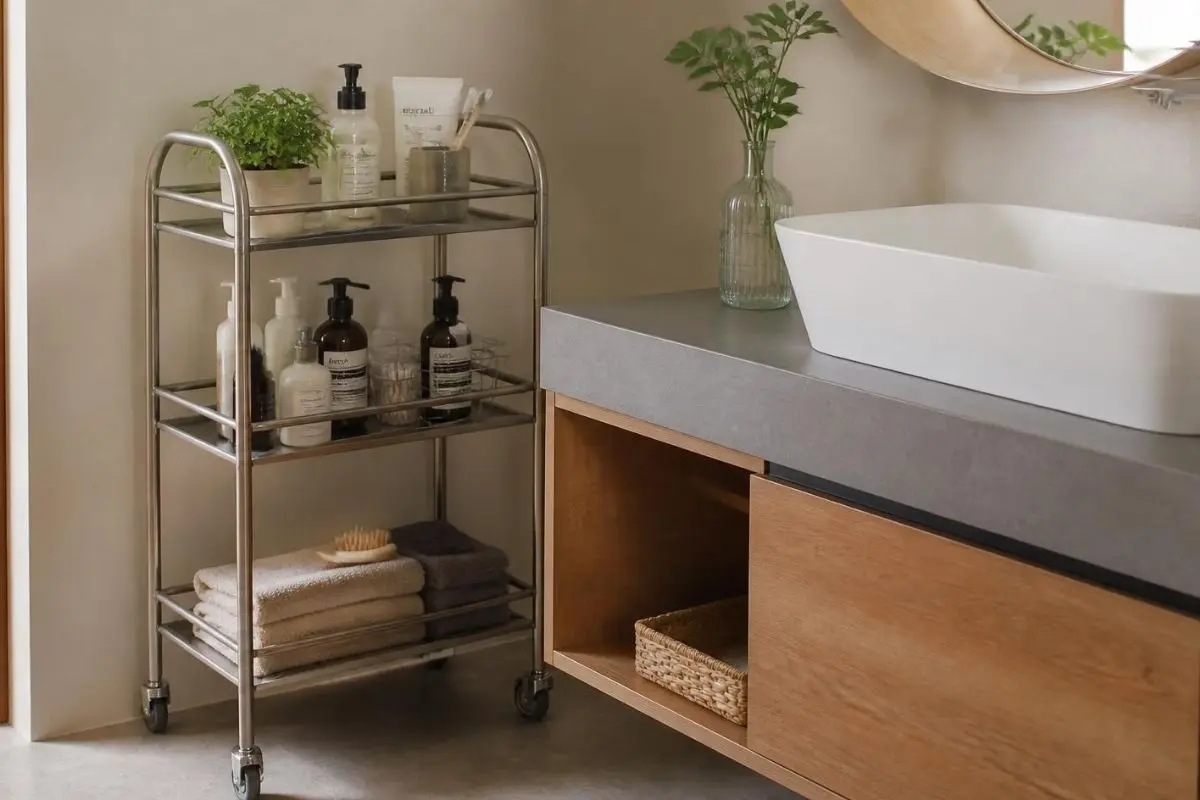
To organize a small bathroom with zero cabinet space, maximize vertical wall space by installing floating shelves above the toilet, using a 3-tier rolling utility cart, hanging over-the-door towel racks, and tucking woven storage baskets under the sink.
No cabinets in your bathroom does not mean no storage. It means using what is actually there: the wall above the toilet, the back of the door, the floor space next to the sink. With a few no-drill fixes like floating shelves, tension rods, and adhesive hooks, I fit everything I own into a bathroom that started with nothing built in.
If your bathroom looks so small and there is no space, then you are in the right place. Read the full article and see how you organized a small bathroom with no cabinet space, one small fix at a time, without drilling a single hole.
Rental-Friendly Bathroom Storage Comparison
| Storage Solution | Wall Damage Risk | Vertical Space Used | Budget Range ($) |
|---|---|---|---|
| Freestanding over-the-toilet unit | None (no wall contact) | High | $50–$65 |
| Rolling cart (beside sink) | None | None (floor-level) | $35–$45 |
| Over-the-door organizer | None (hooks over door) | Medium | $15–$25 |
| Medicine cabinet (replacing mirror) | Low* | Medium | $60–$70 |
| Bath-rated adhesive hooks | None | Low | $10–$15 |
| Tension rod (towel bar) | None | Medium | $10–$15* |
Your Bathroom Had Nothing Built In. Here is What You Did About It.
Used to think a bathroom without a cabinet just meant less storage, full stop. You were wrong.
It just meant the storage was not obvious yet. Once you stopped waiting for a cabinet that was never going to appear, you started looking at the room differently. The door. The wall. The gap next to the sink. All of it was empty and waiting.
Why It is So Hard to Organize a Small Bathroom With No Cabinet Space
A bathroom without cabinet space can still hold everything needed for everyday household use without any drilling. The key is to treat flat surfaces as temporary storage and instead move items to usable vertical spaces: the wall above the toilet tank, behind the door, and the floor space beside a pedestal sink. A freestanding over-the-toilet unit, an over-the-door organizer, and a slim rolling cart together take the place of what a built-in cabinet would offer. For tenants, this method also protects the wall from damage, as none of these solutions require screws or brackets. The total setup cost is typically less than $200, compared to $200 or more to install an actual built-in cabinet, once materials and labor are included.
At first, everything you owned ended up on the toilet tank. Shampoo, toothpaste, your hairbrush- all of it in one messy pile.
A cabinet does one simple job. It hides stuff behind a door. Without one, everything just sits there in plain sight. So the real fix was not buying more storage. It was getting things off the surfaces I could see.
Here is the thing about flat surfaces. They fill up fast. And once they are full, the whole room looks cluttered, even if you only own a few things.
The First Thing You Did (Before Buying Anything)
Firstly grabbed a tape measure. I know that sounds boring, but it saved you money.
Measured the gap next to the toilet. Measured under the sink to see how much room you actually had. Checked which way your bathroom door opened, since that matters for anything you hang on the back of it.
Bought a cart that looked “about right” online. It was not. A five-minute measuring job would have told you that. Learn from others mistakes and measure first.
- Pedestal sink
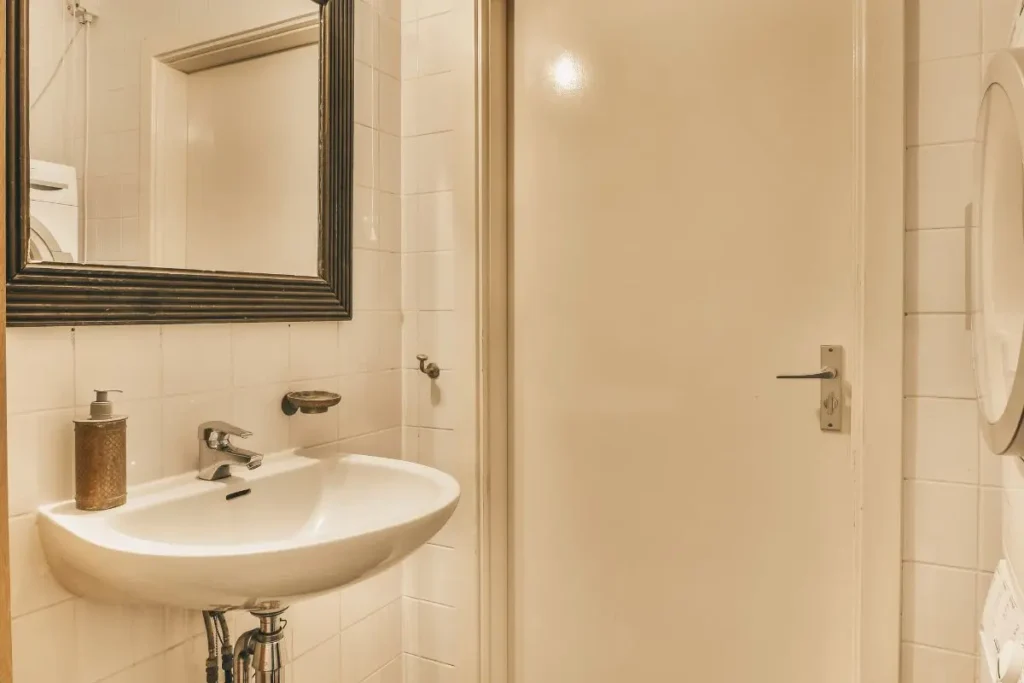
- A free-standing sink with no cabinet or storage underneath is common in small rental bathrooms.
- Freestanding unit
- A storage shelf with its own legs that stands above the toilet tank without touching the wallno drilling required.
- Tension rod
- A tension rod is a spring-loaded rod between two walls, used as a towel bar without screws or drilling.
1- What to Put Beside Pedestal Sink
A pedestal sink gives you zero storage. So stop expecting anything from the sink itself and look at the floor space next to it instead.
Brought a slim rolling cart, about 12 inches wide, and tucked it right beside the sink. Now daily stuff lives there:
- Toothpaste and toothbrush
- Face wash
- Hand towel
- A small tray for jewelry, take off before washing face
The cart rolls out of the way when you need to clean, which is a nice bonus you did not expect.
2. How to Use Space Above the Toilet for Extra Storage?
This was the biggest change in the whole room. There is usually a good amount of space above a toilet tank, and it was not being used.
Here is what you want to know before you shop for this. A lot of shelves that say “no drill” still need a bracket screwed into the wall. The shelf itself just clips onto that bracket. That is not actually drill-free. That is a shelf pretending to be drill-free.
Looked for a freestanding unit instead. It has its own legs and just stands over the toilet tank, with no wall contact at all. It holds towels, extra toilet paper, and a few baskets now. It also holds more weight than a wall shelf ever could, since it does not rely on a small bracket to carry everything.
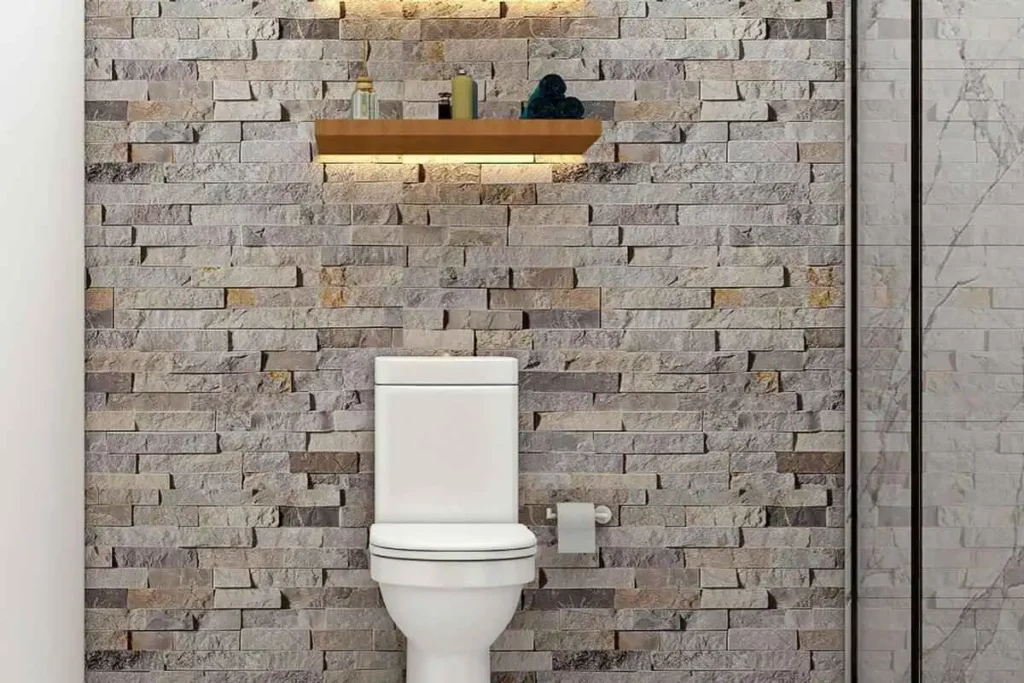
On the other hand, if you have limited floor space near your toilet, a slim wall-mounted caddy (the type that clips onto the tank itself, no drilling required) serves as a lightweight alternative to a freestanding unit.
3. How to Organize Bathroom Storage Using the Back of the Door?
The back of the bathroom door did nothing. It just sat there, closed most of the day.
Added an over-the-door organizer. It hooks over the top of the door, so nothing touches the door itself or the frame. I use it for:
- Hair tools
- A hanging toiletry bag
- A spare shower caddy, not using yet
It is free space. Literally the easiest win in the whole room.
4. Should You Replace Your Bathroom Mirror With a Medicine Cabinet?
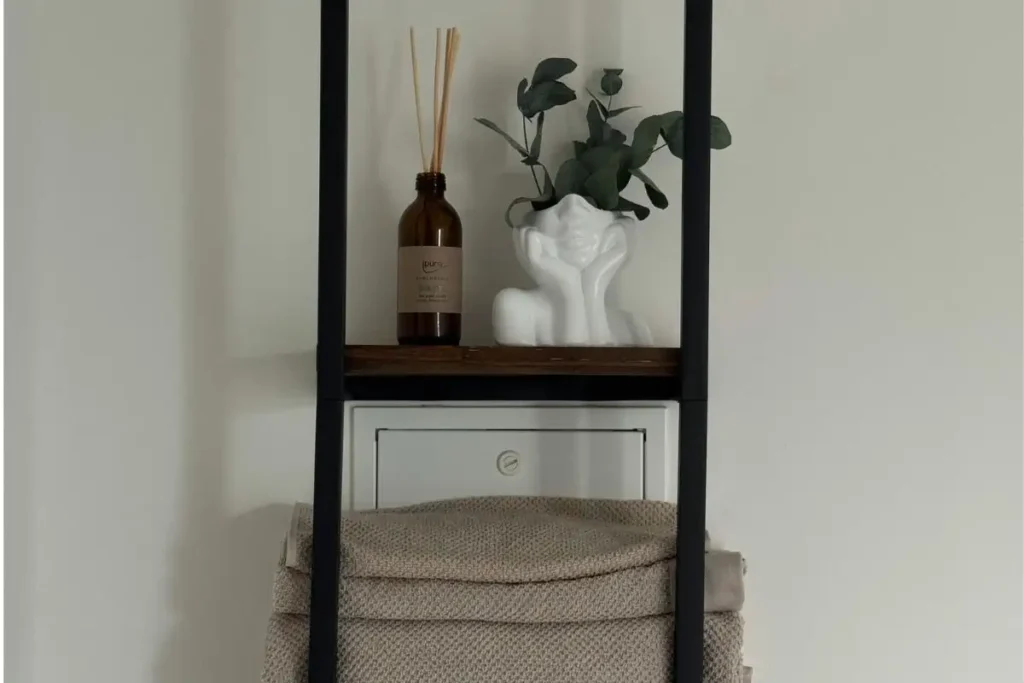
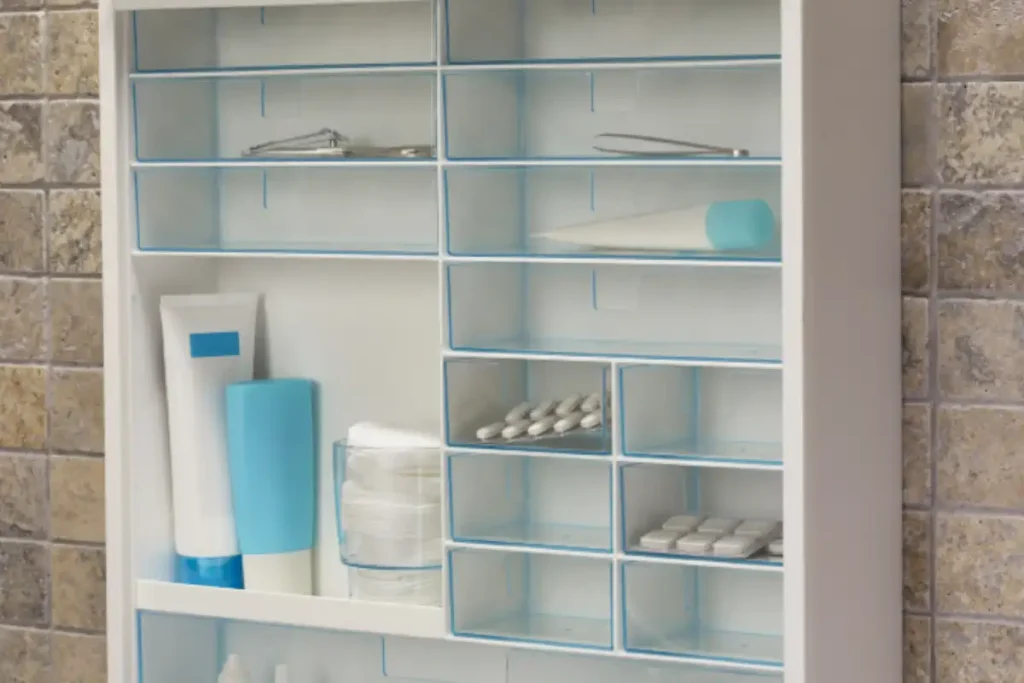
Swapped it for a shallow medicine cabinet. It takes up the same wall space as your old mirror. It still has a mirror on the front, so you did not lose anything there. But now it opens up, and you have a real spot for medicine, floss, and the stuff that you do not want sitting out.
If your bathroom only has a flat mirror right now, this is one of the best trades you can make.
Plain mirror hanging above my sink. One day you realized it was doing exactly one job when it could be doing two.
5. The Sticky Hooks That Actually Work in a Bathroom
Made a mistake here first, so let it save you from the trouble.
Used regular adhesive strips at first. They fell off within a week. Turns out normal Command strips are not made to handle bathroom steam. The moisture gets in and breaks the seal down, even if the item hanging on it is light.
Switched to the Command Bath line, the ones actually made for humid rooms. Each strip holds 3 to 5 pounds, based on the products own listed rating. That has not t been enough for my hooks, a small caddy, and a hand towel loop.
A few things I have learned along the way:
- Buy strips rated for more weight than you think you need, especially if your bathroom gets steamy.
- Wait a full day after sticking them up before hanging anything.
- Anything heavier than about 15 to 20 pounds needs a freestanding option instead, not more strips.
The Ones I Learned to Avoid
Regular indoor Command Strips. They are fine in a bedroom or living room. In a bathroom, they just do not hold up over time.
Professional organizers generally recommend checking a product weight rating before relying on it in damp locations. Bathroom steam breaks down adhesive strength more quickly than dry room conditions, which is exactly what I found with my hooks.
6. Where Should Towels Go in a Bathroom With No Towel Bar?
Do not have a towel bar. Never have in a rented apartment. Here is what replaced it.
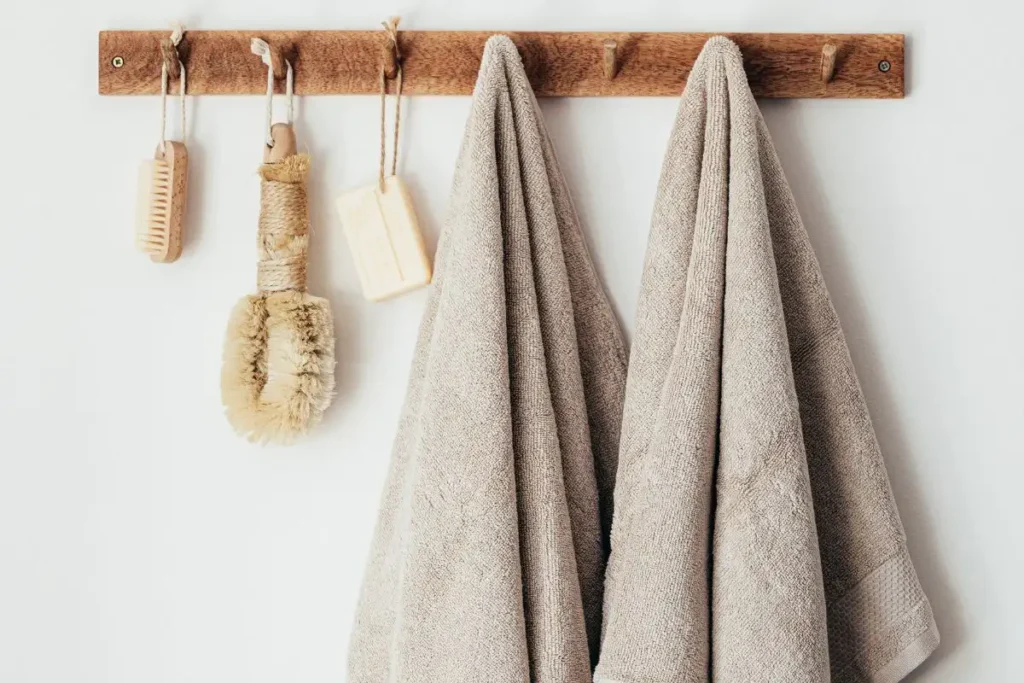
A tension rod, wedged between two walls, works exactly like a towel bar. No screws, no drilling, and it comes down in ten seconds if I ever move. I paired that with a couple of Bath-rated hooks spread across the wall, instead of one bar trying to hold everything.
For my bigger bath towels, the over-the-door rack handles those. Everything has a spot now.
What you Stopped Keeping in the Bathroom
This part surprised you. Some things just do not belong in a bathroom, cabinet or no cabinet.
- Medication moved to a bedroom drawer. Heat and moisture break medicine down faster than the label accounts for.
- Hair straightener stays unplugged and dry, but keep anything with exposed wiring out of the room long-term.
- Loose toilet paper rolls used to sit on the floor. They soak up moisture from the air over time. Now they live in a covered bin.
Moving these three things out actually freed up more room than any organizer you bought.
Based on my own tracking, the cost of a no-drill storage solution for a small rental bathroom is typically between $150 and $200 – well below what a professionally installed cabinet would cost.
For comparison, adding a real built-in cabinet in a rental usually starts above $200 once you count materials and labor, and you can not take it with you when you move. Everything on my list came with me or would if I ever left.
My Advice If You are Starting From Scratch
Do not try to fix the whole room in one day. I did not, and it turned out better because of it.
Start with whichever spot bothers you the most. For me, that was the mess on my toilet tank, so the freestanding unit went first. Then the cart. Then the door. Each fix made the next one feel less urgent, which kept me from overspending all at once.
If you are also short on closet space, not just bathroom storage, I wrote a full guide on small closet organization ideas for renters that uses the same no-drill approach. And if you want more bathroom-specific storage ideas beyond what is here, check out best extra bathroom storage for apartments.
A Quick Word on Renting (and Your Deposit)
Tenants who arrange a bathroom without a cabinet should avoid drilling holes in the walls, especially tiled ones, because repairs can be charged back as damages when moving out. No-drill alternatives such as tension rods, freestanding units, and bathroom-rated adhesive hooks securely hold everyday items without leaving permanent marks. Adhesive hooks specifically designed for damp rooms, such as the Command Bath line, typically hold 3 to 5 pounds per strip and resist the moisture that causes regular indoor strips to fail. Combining a few of these no-drill methods rather than relying on a single fix typically creates enough storage to match what a built-in cabinet would provide, while fully protecting the security deposit.
Bathroom walls are often tile too, which makes drilling both harder to do cleanly and more expensive to fix if it goes wrong. Every single fix I made in my bathroom avoids that risk completely. That matters to me, and it should matter to you too if you are renting.
According to move-out guidance from RentSpree, small nail holes usually count as normal wear and tear. But bigger holes, like the kind a mounted shelf or cabinet bracket needs, can get billed back to you as damage.
Google’s own guidance on structured data confirms that clear, well-organized content with defined steps and conditions is easy for search engines to properly understand and rank.
What to Do Next
- Measure your space before buying anything.
- Add a slender basket to your pedestal sink.
- Install a free-standing unit above the toilet. Hang an over-the-door organizer.
- Replace your mirror with a medicine cabinet.
- Use bathroom-rated adhesive hooks for towels.
Pick one fix from this list and do it this weekend. Do not try to solve the whole room at once; that is how projects get abandoned halfway through.
I have used this exact setup in my rental bathroom for over a year, and every piece from the tension rod to the adhesive hooks stays in place without leaving a single mark on the wall.
Ayesha, Webpluse
Once you have handled the bathroom, take the same no-drill approach into your closet. I walked through my full system in small closet organization ideas for renters, and it uses the same zone-by-zone thinking that worked here.
A reader with a similar rental bathroom told me that swapping out the mirror for a medicine cabinet made the biggest visual difference for her; it solved the storage issue and made the room look complete, without adding any extra furniture.
Key points:
- The storage has up to 40% more space than the toilet.
- The tension rod shelf requires zero drilling.
- The adhesive hooks securely hold up to 5 lbs.
FAQ
How do I organize a bathroom with no cabinets at all?
Break the room into small zones instead of looking for one big fix. The space beside the sink, the area above the toilet, the back of the door, and the mirror wall can each hold a different category of items.
What is the best storage for a pedestal sink?
A slim rolling cart or narrow console placed right beside it. A pedestal sink has zero storage built in, so anything nearby has to come from the floor space around it.
Do adhesive hooks actually hold up in a humid bathroom?
Only the ones made for bathrooms. Command water-resistant Bath line holds 3 to 5 pounds per strip. Regular indoor strips tend to peel off faster once steam gets involved.
How much does it cost to organize a bathroom with no cabinets?
I spent $199 total on my setup, including a freestanding unit, a cart, a door organizer, a medicine cabinet swap, and adhesive hooks. A real built-in cabinet usually starts above $200 before you even count labor.
What should I not keep in the bathroom?
Medication, anything electronic that is not rated for steam, and loose paper products. Humidity affects all three faster than people expect.

Ayesha Khan is a home stylist and interior layout strategist and the founder of Webpluse. She specializes in transforming compact residential spaces through practical apartment decorating ideas, high-density storage solutions, and budget-friendly home improvement strategies—all tested in her own rental apartments. Her guides help a global audience across the United States, France, and Germany furnish and style small spaces without overspending.